

Why Kids Love Farm School at Phinney Farm in Alvin Texas
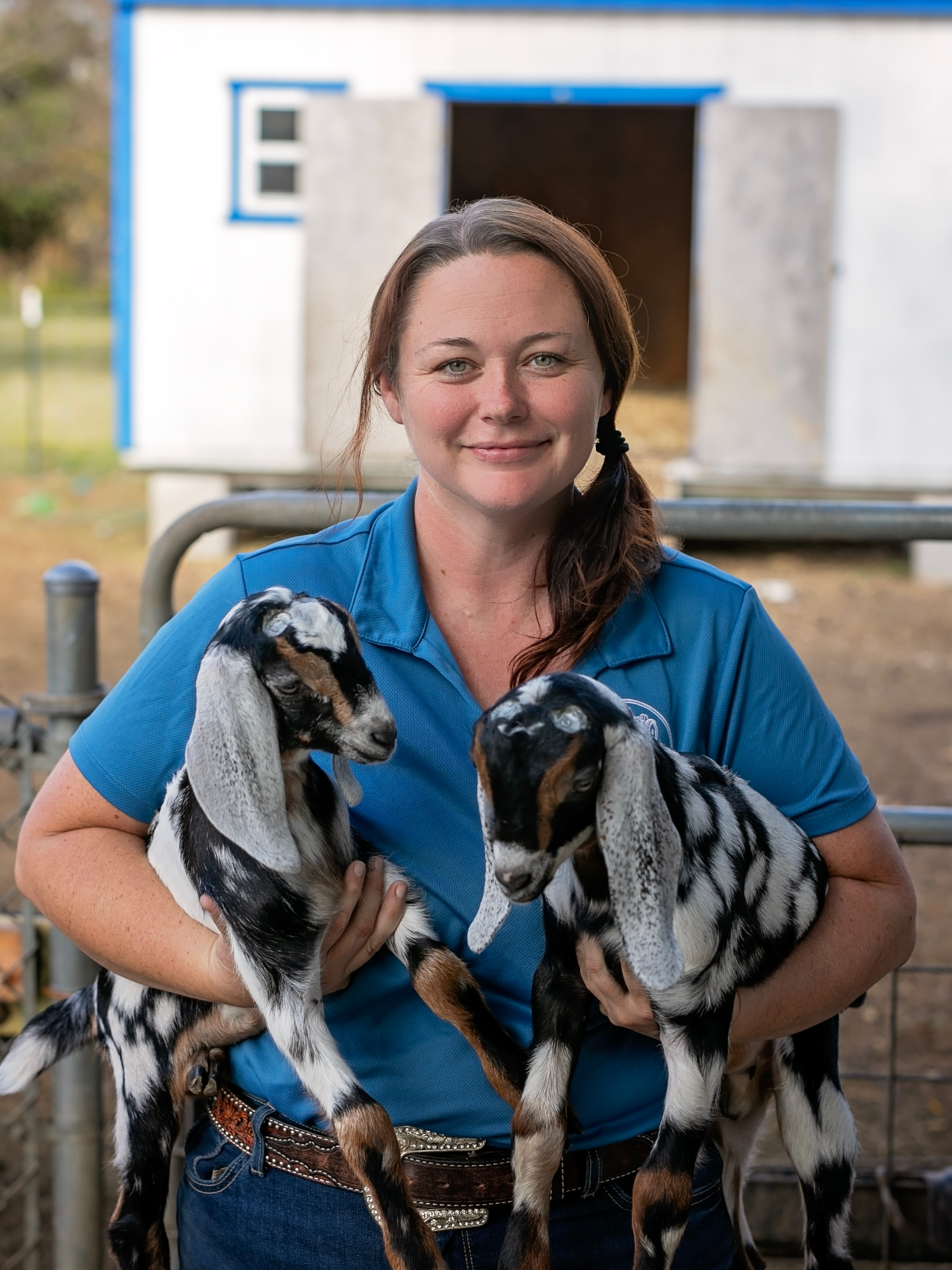
Some kids light up the moment they step out of the car and smell hay, soil, grass, and animals nearby. A farm has a way of waking up their curiosity before anyone says a word.
That is part of the magic of Farm School at Phinney Farm in Alvin, Texas. It gives children something many classrooms and playgrounds cannot always offer in the same way: real-life learning with dirt under their shoes, animals within reach, and questions that lead to discovery.
For kids, a farm is not just a place to visit. It is a living classroom. There are seeds to notice, animals to observe, chores to try, sounds to identify, and new textures everywhere. Every corner invites a child to ask, “What is that?” or “Can I help?”
Farm School at Phinney Farm in Alvin Texas feels special because it turns those questions into hands-on moments kids remember.

Kids get to learn with their whole bodies
Children are naturally active learners. They poke, lift, carry, sort, smell, listen, and repeat. A farm gives them permission to do that in a safe and meaningful way.
At farm school, learning does not stay on a page. A child can see where food begins. They can notice that soil is not just “dirt,” that plants grow at different speeds, and that animals need steady care. Those ideas become easier to understand because kids experience them directly.
A lesson about vegetables feels different when a child sees leaves, roots, flowers, and fruit on an actual plant. A conversation about responsibility feels different when an animal is waiting to be fed or watered. A discussion about weather makes more sense when the sun, rain, wind, and heat affect the day’s activities.
That kind of learning sticks.
Kids often remember:
The first time they held a seed in their palm
The sound chickens made when feed hit the ground
The way a goat, rabbit, or other farm animal moved close to inspect them
The feeling of soil between their fingers
The excitement of spotting something growing
Those little memories matter. They give children a real connection to the ideas adults often try to explain.
Animals make every visit feel exciting
For many children, the animals are the first big draw. Farm animals are interesting because they are familiar and surprising at the same time. Kids may know what a chicken or goat looks like from books, but seeing one up close creates a different kind of wonder.
Animals move on their own schedule. They make noises. They have personalities. They can be curious, shy, silly, loud, gentle, or stubborn. Kids notice all of it.
This makes animal care one of the most powerful parts of a farm school experience. Children learn that animals are not toys or props. They are living creatures with needs. They need food, water, space, calm voices, and careful hands.
That lesson can build empathy in a way that feels natural. A child learns to slow down because a small animal may be nervous. They learn to stay gentle because rough movements can scare or hurt. They learn that caring for something else takes patience.
These moments also help children practice self-control. A child who wants to run may need to walk calmly near an animal. A child who wants to grab may need to wait, watch, and ask. Those are big skills, and the farm gives kids a reason to use them.
The farm turns ordinary chores into proud moments
To adults, farm chores may sound like work. To kids, they can feel like an adventure.
Carrying a small bucket, watering plants, spreading feed, gathering materials, or helping tidy an area gives children a sense of purpose. They are not just watching someone else do the real work. They are part of it.
That matters because children love to feel useful. When they help with a real task, they see that their effort has value.
A simple job can teach several lessons at once:
Responsibility
The task needs to be done, even if it is hot, messy, or repetitive.
Patience
Plants do not grow instantly, and animals do not always cooperate.
Confidence
A child can look back and say, “I helped.”
Teamwork
Many farm jobs go better when kids listen, take turns, and work together.
The best part is that these lessons do not feel like lectures. They come through action. A child learns by trying, adjusting, and seeing the result.
Nature gives kids space to be curious
A farm is full of small discoveries. Children may notice a bug on a leaf, a feather near a fence, a footprint in the mud, or a plant that looks different from the one beside it. These details invite attention.
In many everyday settings, adults move children quickly from one task to the next. On a farm, there is more room to pause. That pause is where curiosity grows.
A child may ask:
Why do chickens scratch the ground?
What happens if a plant gets too much water?
Why does this leaf have holes?
Where do butterflies go?
Why does mud feel cooler than dry dirt?
Those questions can lead to simple science, observation, and problem-solving. Kids start to connect cause and effect. They see that living things respond to weather, food, water, shade, and care.
This is one reason farm school can be such a strong learning environment. It does not separate science from daily life. It shows children that science is happening right in front of them.
Alvin, Texas adds its own kind of farm charm
Alvin has a setting that fits this kind of experience well. It is close enough to the greater Houston area for many families to reach, yet it still carries a rural feel in many places. That makes a farm school visit feel like a true change of pace.
Kids who spend much of their time indoors, in cars, or on screens can benefit from that shift. The open air, changing weather, and slower rhythm of a farm can help them reset.
Texas weather can also become part of the learning. Children notice heat, clouds, rain, shade, and seasonal changes. They learn that outdoor work requires preparation. Hats, water bottles, closed-toe shoes, sunscreen, and clothes that can get dirty all become part of the day.
That practical preparation is a lesson too. Kids learn that outdoor fun comes with real-world responsibility.
Farm school supports different kinds of learners
One of the best things about a farm school setting is that it can speak to many learning styles at once.
Some kids learn by listening. Some need to see examples. Some understand best when they touch and try. A farm brings all of those together.
A child who struggles to sit still may thrive while carrying feed or exploring a garden row. A child who is quiet in a classroom may open up when observing animals. A child who loves facts may enjoy learning names, patterns, and steps. A child who likes stories may imagine the life of each animal or plant.
There is room for many kinds of strengths.
Farm school can also make learning feel less pressured. The setting is active, sensory, and natural. Kids can ask questions without feeling like they are taking a test. They can make observations without needing to get every answer right.
That kind of environment helps children build confidence. They begin to trust what they notice. They learn that paying attention is a skill.
Kids love the mix of freedom and structure
A good farm school experience balances freedom with clear guidance. Kids need space to explore, but they also need boundaries that keep people and animals safe.
That mix is part of why children enjoy it.
They may have the freedom to observe, ask questions, move around, and get involved. At the same time, they learn simple rules:
Walk calmly near animals
Use gentle hands
Stay with the group
Listen before touching
Wash hands after animal or soil activities
Treat tools and supplies with care
These rules make sense because kids can see the reason behind them. They are not random. They protect the animals, the farm, and the children.
When children understand the “why,” they are more likely to cooperate. The rules become part of belonging to the farm community.

The experience builds memories beyond the lesson
Parents often look for activities that are fun, meaningful, and worth the effort. Farm school can check all three boxes.
Kids may come home talking about an animal they met, a plant they watered, or a task they completed. They may notice vegetables differently at dinner. They may ask to plant something at home. They may want to draw a chicken, read a book about farms, or tell a grandparent what they learned.
That is the sign of a good learning experience. It does not end when the visit ends.
Farm school can also give families a shared point of connection. A child’s excitement becomes a conversation. Parents can ask what surprised them, what felt hard, what they would like to try again, or what they learned about caring for living things.
Simple follow-up questions can extend the value:
What was your favorite animal today?
What job did you help with?
What did you notice that you had never seen before?
What would you like to learn next time?
How can we take care of plants or animals at home?
These conversations help children turn experience into understanding.
A few tips for a better farm school day
A farm visit is more fun when everyone comes prepared. The goal is not to dress perfectly. The goal is to make the day comfortable, safe, and relaxed.
Helpful items often include:
Closed-toe shoes that can get dirty
Comfortable clothes for outdoor play
A hat or cap
Sunscreen, applied before arrival
A refillable water bottle
A change of clothes for younger kids
Patience for mud, dust, and surprises
It also helps to set expectations before arriving. Let kids know that farms are active places. There may be smells, sounds, insects, uneven ground, and moments when they need to wait their turn.
That preparation keeps small surprises from becoming big frustrations.
Families should also check current details before planning a visit. Programs, age ranges, schedules, and available activities can change by season, weather, and farm needs. A quick check ahead of time can make the day smoother.
Why the experience feels so meaningful
Children do not need fancy entertainment to have a memorable day. Often, they need real things to do, real places to explore, and real connections to make.
That is the heart of Farm School at Phinney Farm in Alvin, Texas. It gives kids a chance to learn in a way that feels joyful and grounded. They can move their bodies, use their senses, care for living things, and see how nature works up close.
They also get something many children crave: a place where their curiosity is welcome.
A farm can make a child feel brave enough to try, calm enough to observe, and proud enough to say, “I did that.” That is why kids love farm school. It is fun, yes, but it is also full of meaning.
And when children leave with dirty shoes, bright eyes, and a story they cannot wait to tell, the day has already done its job.


Comments