

Texas Family Farm Adventures Goat Farm Agritourism and Farm School Fun
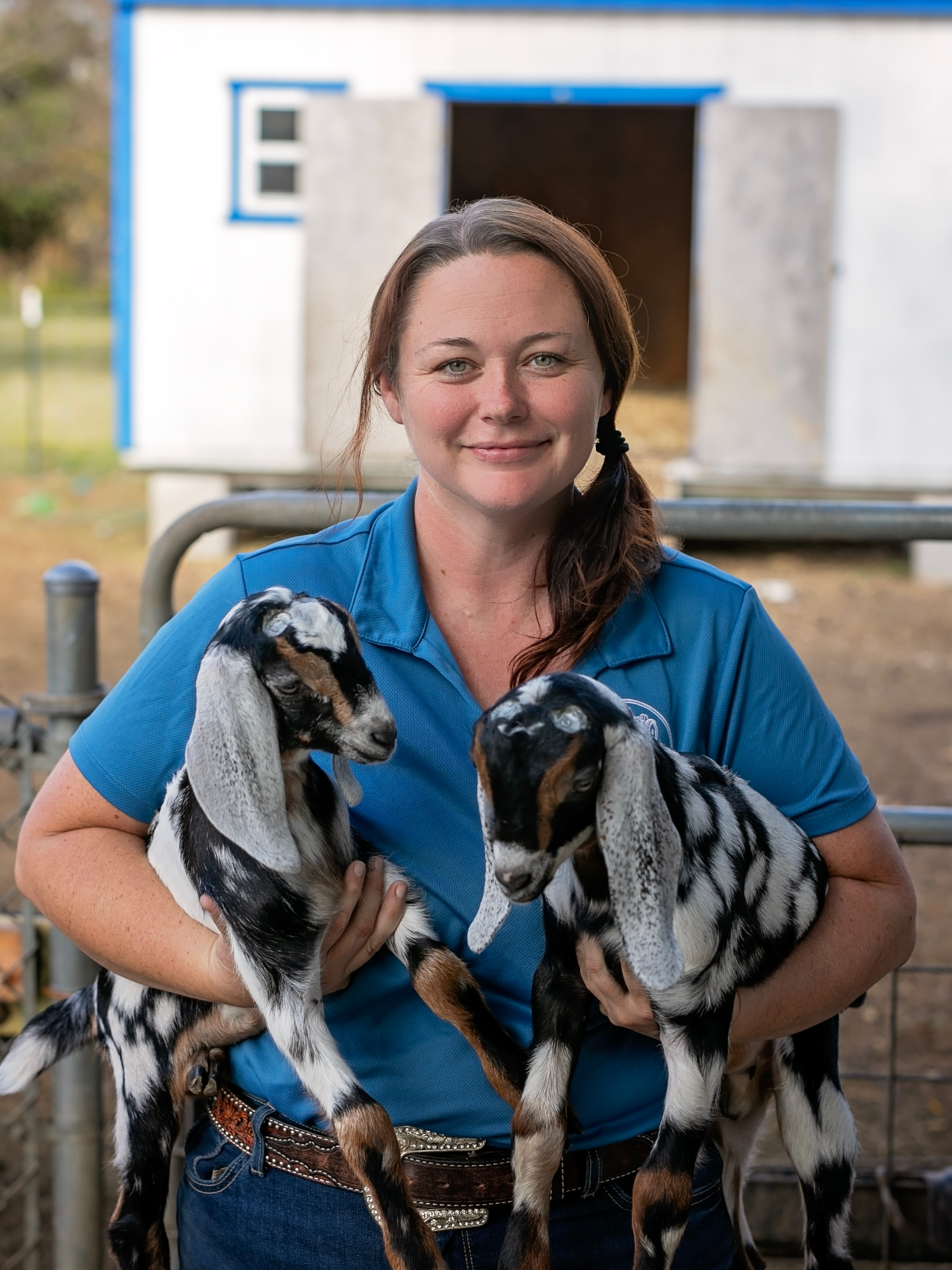
A good farm visit does more than fill an afternoon. It gives families a real moment to slow down, step outside, meet the animals, and learn where daily life on a working farm begins.
That is the heart of what we do. Our farm is built around goats, hands-on learning, and simple outdoor experiences that help people feel connected to the land. Whether guests come for a seasonal agritourism event, a farm school day, or a quiet visit with the herd, the goal stays the same: make farm life feel welcoming, memorable, and real.
A Texas Family Farm experience is not meant to be polished to the point of feeling staged. It should include curious goats, dusty boots, open skies, questions from kids, and the kind of learning that happens best when people can see, touch, smell, and do.

What life on a Texas family goat farm teaches
Goats have a way of making people smile before the lesson even starts. They are curious, social, clever, and full of personality. Spend a few minutes near a goat pen and it becomes clear that no two goats act the same.
Some are bold and walk right up to visitors. Some hang back and watch. Some want snacks. Some want to climb. That mix of behavior makes goats wonderful teachers, especially for children who are learning how to observe animals with patience and kindness.
Life on a farm also teaches responsibility in a way that feels natural. Animals need care every day, not just when the weather is nice or when it is convenient. They need fresh water, clean spaces, proper feed, safe fencing, and regular attention. Those daily chores help visitors understand that farming is rewarding, but it is also steady work.
On our Goat Farm, guests can see how animal care fits into everyday farm routines. The point is not only to let people look at goats. It is to help them understand what it means to care for living things well.
That learning can happen through simple moments:
Watching goats interact with one another
Learning what goats eat and what they should not eat
Seeing how shelters, fencing, and pasture areas help keep animals safe
Noticing the difference between playful behavior and nervous behavior
Understanding why clean water and daily chores matter
For many families, this may be the first time children have been close to farm animals in a calm, guided setting. That matters. A thoughtful visit can help build confidence, respect, and curiosity.
Agritourism brings people closer to farm life
Agritourism is a big word for a simple idea. It means inviting people onto a farm for real experiences tied to agriculture, animals, food, seasons, and rural life.
At its best, agritourism does not feel like a theme park. It feels like a chance to step into the rhythm of a working farm. Guests may meet animals, take part in seasonal activities, join special events, or learn about the work that happens behind the scenes.
Farm visits give people a break from screens and schedules. They offer space to breathe, walk, ask questions, and enjoy something slower. For children, that kind of setting can be especially powerful. A farm gives them room to notice small things, such as the texture of hay, the sound of goats calling, or the way chickens scratch the ground.
For adults, agritourism can be just as meaningful. Many people grew up with a grandparent, neighbor, or relative who had animals or a garden. Others have never spent much time around farming at all. Either way, a visit can feel grounding.
Our agritourism events are designed to be welcoming and family-friendly. Depending on the season and the type of event, guests may enjoy activities such as:
Meeting and learning about goats
Farm walks and guided animal visits
Seasonal photo opportunities
Hands-on learning stations
Family days built around outdoor play
Simple lessons about farm chores and animal care
The best farm events leave people with more than a few photos. They leave them with a better understanding of how farms work and why local agriculture matters.
Farm school turns the farm into a living classroom
Farm school is one of the most meaningful parts of what we offer because it gives children a chance to learn in a hands-on way.
A farm can teach science, responsibility, observation, problem-solving, and care for nature without feeling like a traditional classroom. Kids can learn about animals, plants, weather, seasons, soil, food systems, and basic farm tools by experiencing them directly.
That kind of learning sticks. A child may forget a worksheet about animal needs, but they will likely remember filling a water bucket, watching a goat eat hay, or noticing how animals behave differently on a hot day.
Farm school can support many kinds of learners. Some children learn best by moving. Some need to see an idea in action. Some ask questions constantly. Some need quiet time to observe before they join in. A farm setting gives room for all of that.
A farm school day might include lessons like:
How goats use their senses
What animals need to stay healthy
Why farmers check fences and gates
How weather affects chores
What different farm tools are used for
How to move calmly around animals
Why farms change with the seasons
The goal is not to make every child become a farmer. The goal is to help children understand living systems, build confidence, and practice care.
When children learn on a farm, they do not just hear about responsibility. They see it, practice it, and connect it to real animals.
Farm school also gives children a healthy way to ask big questions. Where does food come from? Why do animals need shelter? What happens when it rains too much or not enough? Why do farmers do chores every single day?
These questions open the door to deeper learning, and the farm gives those answers a real setting.

Why goats are perfect for family farm experiences
Goats are a natural fit for family farm visits because they are active, expressive, and easy to observe. They also make farm learning fun without losing the lesson.
A goat’s behavior can start conversations about herd animals, boundaries, nutrition, shelter, and safe handling. A goat that climbs onto a platform can lead to a discussion about agility and enrichment. A goat that stays near its herd can help explain safety and social behavior. Feeding time can open a lesson about balanced diets and why animals cannot simply eat anything visitors bring.
Goats also help teach respect. They are friendly animals, but they are still animals with their own needs and limits. Children learn to move calmly, listen to instructions, and understand that kindness includes giving animals space.
That is a valuable lesson. Good animal experiences should never be about chasing, grabbing, or overwhelming animals. They should teach people how to interact in a way that is safe for both guests and the herd.
A well-planned goat encounter can help visitors learn:
How to approach animals gently
Why handwashing matters after animal contact
How farmers read animal body language
Why gates must stay closed
How feed and treats are managed safely
Why each animal has its own personality
These lessons may seem small, but they build a foundation of respect for animals and farm spaces.
Seasonal events keep every visit fresh
One of the best parts of farm life is that it changes throughout the year. The land, animals, chores, and weather all shift with the seasons. Agritourism events can reflect that rhythm.
Spring may bring fresh grass, new growth, and a sense of renewal. Summer often means longer days, early chores, shade breaks, and plenty of water. Fall can bring cooler air, harvest themes, and cozy family events. Winter may be quieter, with more focus on animal care, shelter, and preparing for the next season.
Seasonal farm events give families a reason to return. A spring visit may feel completely different from a fall visit, even on the same farm. Children notice those changes, too. They begin to understand that farms are not static. They are living places that respond to weather, time, and care.
Some seasonal event ideas that fit well on a goat-centered family farm include:
Spring farm days with animal education
Summer morning visits before the heat of the day
Fall family farm events with photo spots and learning stations
Holiday-themed farm gatherings
Special farm school sessions tied to weather, plants, or animal care
The common thread is connection. Seasonal events create simple traditions that families can look forward to each year.
What makes a farm visit feel meaningful
A meaningful farm visit does not need to be complicated. In fact, the simplest moments are often the ones families remember.
A child laughing as a goat bleats back. A parent watching their child ask a careful question. A family walking from one area of the farm to another without rushing. A group learning why farmers do a chore a certain way. These moments are small, but they matter.
The best visits balance fun with respect. Guests should feel welcome, but they should also understand that a farm is a real place with real animals and real work. That balance helps protect the animals, support the farm, and give visitors a better experience.
A strong family farm experience usually includes:
Clear guidance
Guests feel more comfortable when they know where to go, what to expect, and how to interact with animals safely.
Hands-on learning
People remember what they do. Simple activities can turn a farm visit into a lasting lesson.
Room to explore
Open-air spaces give families a chance to slow down and enjoy the setting.
Respect for animals
Animal comfort should shape every encounter. Calm, kind interaction creates a better visit for everyone.
A personal touch
A family farm feels different from a large attraction because guests can see the care behind it. The details matter.
Agritourism supports farms and families
Agritourism helps farms share their work with the public. It also helps families understand agriculture in a direct way.
Many people are curious about farms, but they may not know where to start. A farm event creates an easy entry point. Guests can come for the animals and leave with a better sense of the daily work behind farm life.
For small farms, agritourism can also create new opportunities. Events, classes, and farm school programs help farms use their space, knowledge, and animals in ways that serve the community. They allow farmers to teach, host, and connect while keeping agriculture at the center.
That connection matters because farms have stories worth sharing. Not every lesson needs to be formal. Sometimes learning happens during a walk to the barn or while watching a goat choose the highest spot it can find.
A place for curiosity, connection, and fresh air
Our farm is about more than goats, although the goats are a big part of the fun. It is about creating a place where people can connect with animals, learn through experience, and enjoy time outdoors.
Through agritourism events and farm school, we welcome guests into a setting that feels real, friendly, and rooted in everyday farm care. Visitors can meet animals, ask questions, take part in seasonal activities, and see how much thought goes into keeping a farm running.
The best part is that every visit is a little different. Animals have moods. Weather changes plans. Seasons bring new lessons. Children notice something adults might miss. That is what makes farm life so special.
A family farm adventure should feel simple, warm, and memorable. It should give people a story to tell on the way home and a reason to come back. If guests leave with muddy shoes, a few goat stories, and a deeper respect for farm life, the visit has done exactly what it should.


Comments