

Hands On Farm School Adventures for Homeschoolers in Alvin and Nearby Areas
Updated: Oct 28
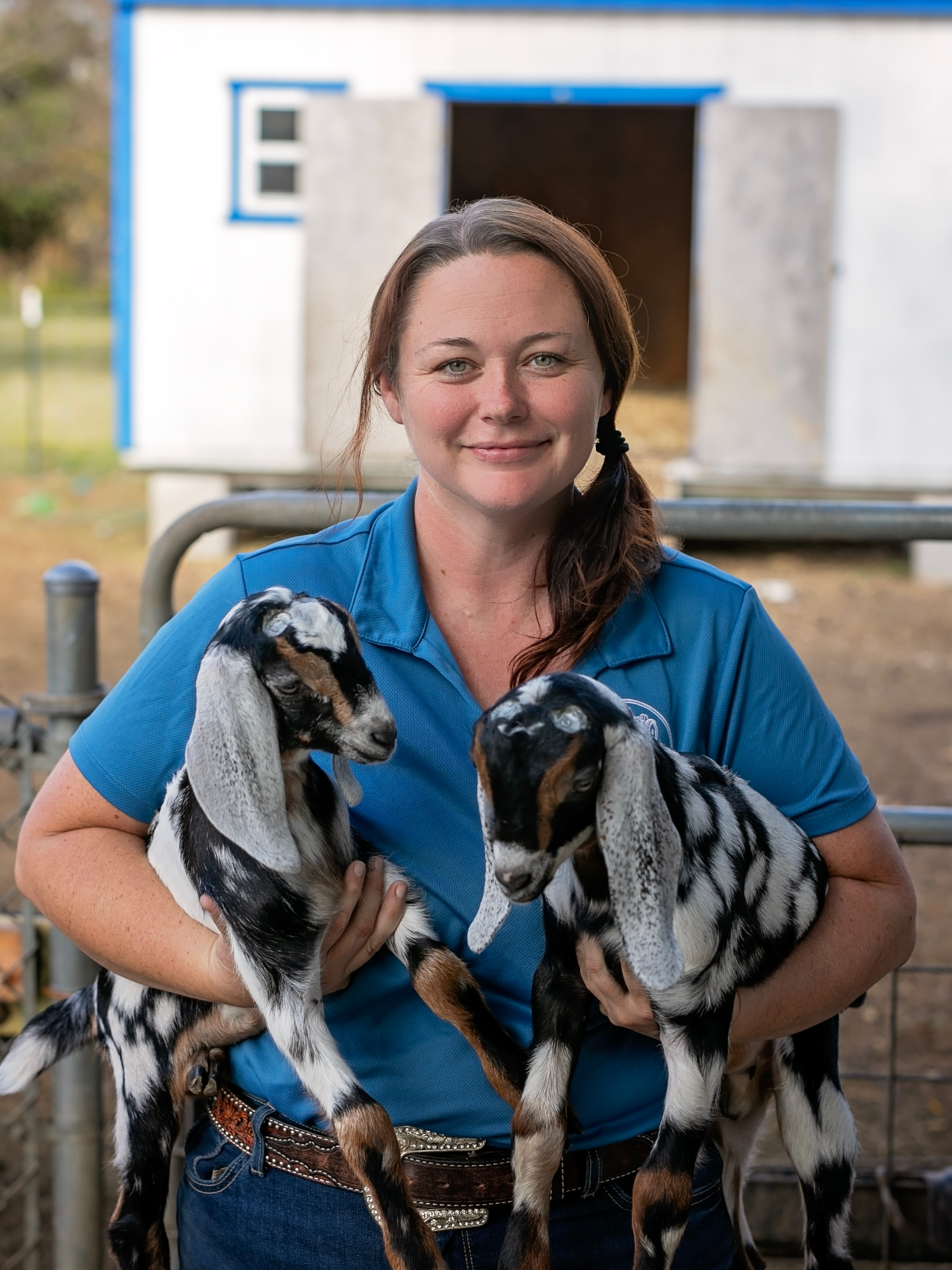
Some lessons stick better when a child can touch them, smell them, carry them, feed them, and ask questions while standing in the middle of the action. That is the heart of Phinney Farm School, a place where homeschool learning gets out of the workbook and into the real world.
For families in Alvin and nearby communities, farm-based learning can add something rich to the homeschool week. It gives kids a chance to move, observe, care for animals, work with their hands, and connect classroom ideas to everyday life. Science becomes easier to understand when a child can watch animal behavior up close. Responsibility feels real when there is a chore to finish. Curiosity grows when children have room to explore.
Phinney Farm School is especially exciting for Alvin homeschoolers, but families from Pearland, Angleton, Santa Fe, and Friendswood can enjoy the same kind of fresh, hands-on learning. It is local, practical, and full of the kind of experiences children remember.

Why farm school works so well for homeschoolers in Alvin
Homeschooling already gives families the freedom to choose learning experiences that fit a child’s pace and interests. A farm setting builds on that freedom. It offers lessons that feel active instead of abstract.
Children are naturally curious about animals, plants, tools, weather, and the rhythms of outdoor life. A farm gives them a place to use that curiosity in a focused way. They can look closely, notice patterns, and learn through doing.
That kind of learning supports many homeschool goals:
Science becomes visible
Children can observe life cycles, animal care, habitats, soil, plants, weather, and food systems in a real setting.
Responsibility becomes practical
Feeding, cleaning, carrying, sorting, and caring for living things helps children understand that their actions matter.
Movement becomes part of learning
Many children focus better when they are not sitting still all day. Farm activities give them purposeful movement.
Questions come naturally
A child who might not ask much during a worksheet may ask plenty while watching how an animal eats, rests, or interacts with others.
Social skills grow in a calmer way
Small-group, hands-on activities can make teamwork feel natural. Children can practice listening, taking turns, and helping each other.
For families looking for an Alvin Homeschool Program that feels active, grounded, and memorable, Phinney Farm School offers a refreshing change of pace.
Hands-on activities make learning feel real
A strong homeschool experience does not have to separate “school” from “life.” On a farm, the two fit together easily.
Hands-on activities help children connect ideas to real tasks. Instead of only reading about animal needs, they can see what care looks like. Instead of only talking about plant growth, they can notice how soil, sunlight, and water work together. Instead of only learning about seasons from a chart, they can feel the difference in the air and notice what changes around them.
At Phinney Farm School, the emphasis is on doing. Kids spend time participating, observing, helping, and learning through direct experience. That can include activities such as:
Meeting and observing animals
Helping with age-appropriate farm tasks
Exploring outdoor spaces
Learning about animal care
Watching natural cycles on the farm
Using simple tools with guidance
Asking questions during real farm moments
Working together on shared activities
The exact activity may change with the day, the season, and the needs of the animals, which is part of what makes farm learning so valuable. Children learn that real life is not always arranged into neat categories. A warm day, a muddy patch, a hungry animal, or a new sound in the barn can all become part of the lesson.
That kind of learning is hard to duplicate indoors.
Time with animals teaches more than animal facts
Animals draw children in. Even a quiet child may become fully engaged when watching an animal eat, move, listen, or respond to people. Farm animals can teach science, but they also teach patience.
A child learns quickly that animals are not toys. They have needs, boundaries, and personalities. They may be curious, shy, noisy, calm, hungry, or playful. Children must slow down, observe, and respond with care.
That creates room for important lessons:
Gentleness
Children learn how to approach animals with calm hands and calm voices.
Patience
Animals do not always move on a child’s schedule. Waiting becomes part of the experience.
Observation
Kids begin to notice body language, sounds, habits, and routines.
Respect
Children learn that living things deserve care and space.


Comments