

From Goat Milk to Chicken Eggs Family Farming and Entrepreneurship in Alvin Texas
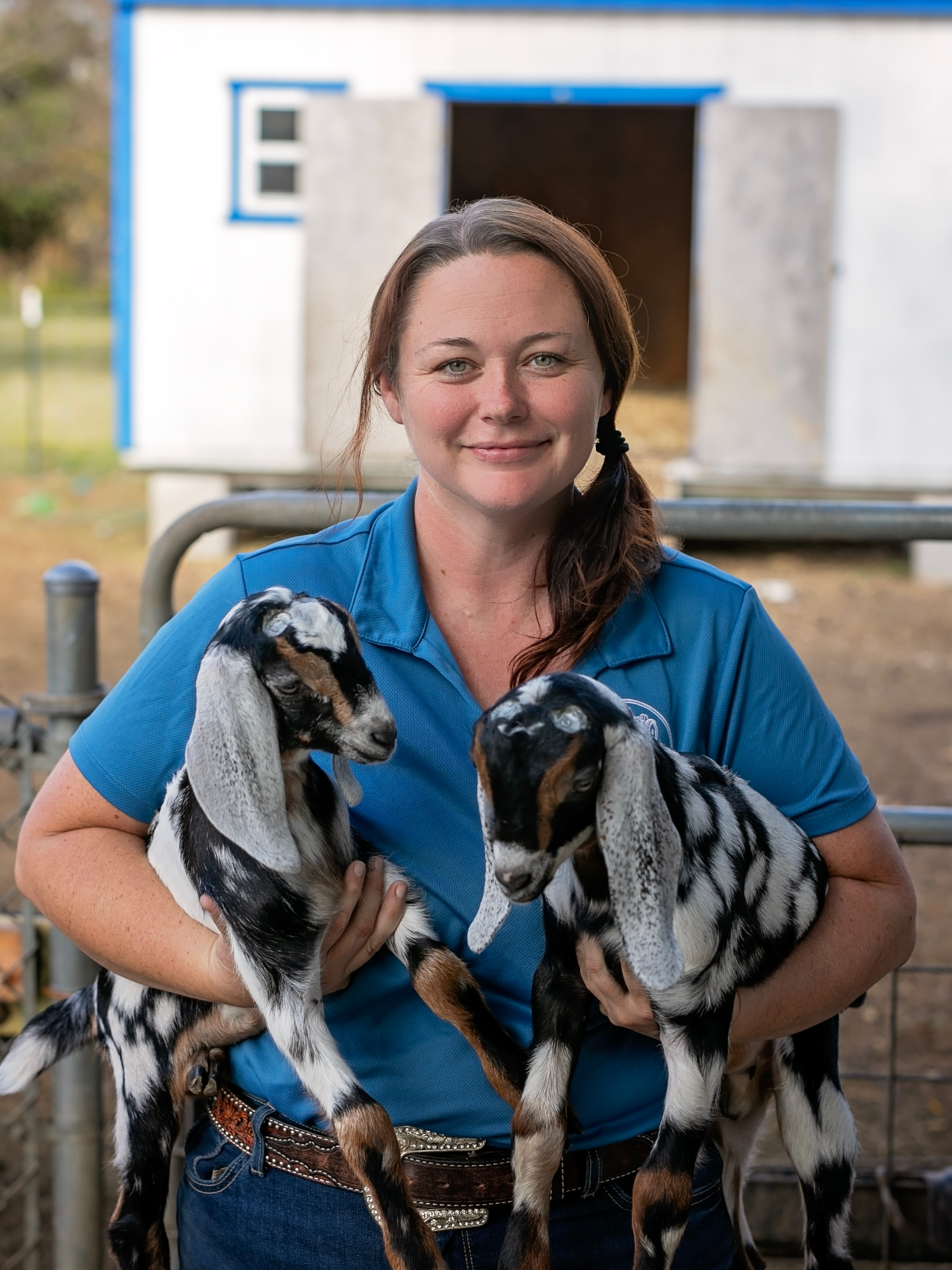
Some of the best lessons on a family farm do not happen in a classroom. They happen at sunrise, beside a milk stand, near a chicken coop, or in the feed aisle of a local store where a child sees that hard work can become something useful for the community.
Our small family farm in Alvin, Texas, is built around that idea. We raise goats, bottle goat milk for animal consumption, and sell it through local pet and feed stores. We also teach our kids entrepreneurship in a hands-on way, by helping them raise chickens, collect eggs, care for customers, and understand what it means to earn money with responsibility.
This is not a large commercial operation. It is a family farm with daily chores, real animals, muddy boots, early mornings, and a lot of learning along the way.

Life on a small goat family farm in Alvin
Alvin sits close enough to Houston to feel connected, but it still has deep roots in rural life. That mix makes it a fitting place for a small family farm. There are feed stores nearby, neighbors who know animals, and families who still understand the value of local agriculture.
Goats are the heart of our farm. They need steady care every day, not only when it is convenient. They eat, browse, play, test fences, and remind us quickly when a routine has changed. Raising them well means paying attention.
A normal day can include:
Checking water and feed
Cleaning pens and bedding areas
Watching for changes in behavior
Milking on schedule
Washing and sanitizing equipment
Preparing bottles for local stores
Those chores may sound simple, but they teach consistency. Animals rely on people to show up whether it is hot, raining, busy, or inconvenient. That kind of responsibility shapes the rhythm of our home.
The work also gives our kids a front-row seat to where products come from. They do not see milk as something that simply appears on a shelf. They see the care behind it.
Goat milk for local pet and feed stores
Our goat milk is sold in local pet and feed stores for animal consumption. That purpose matters, and we keep it clear. Many animal owners look for goat milk as part of how they care for pets or livestock, and local stores help connect our farm product with people already shopping for animal supplies.
Working with feed and pet stores has taught us that a farm product is more than what goes in a bottle. It also includes trust.
Store owners need to know we take the work seriously. Customers need clear labeling. Animals need clean, properly handled products. That means we focus on the basics every time.
We pay close attention to:
Clean milking practices
Proper handling and storage
Clear communication with stores
Reliable delivery schedules
Product consistency from batch to batch
A small farm has limited space and limited time, so quality has to come from routine. The same steps happen again and again because repetition helps protect the product and the animals.
There is also pride in seeing a local product on a local shelf. It connects the farm to the community in a practical way. Someone may walk into a feed store for hay, grain, pet supplies, or poultry feed and leave with goat milk that came from a nearby Alvin farm.
That local connection is a big part of why we do this.
Teaching entrepreneurship through chickens and eggs
The chicken side of our farm belongs closely to our kids. They help raise the birds, collect eggs, and learn what it means to sell something they helped produce.
Chickens are a natural first step for young entrepreneurs. They are small enough for children to help manage, but they still require daily care. The coop has to be checked. Feeders and waterers need attention. Eggs must be collected, cleaned when needed, counted, packaged, and handled with care.
That work creates a simple but powerful business lesson.
If the chickens are cared for well, they produce eggs. If the eggs are handled well, they can be sold. If customers are treated kindly, they may come back.
Our kids learn that money is tied to service, not just selling. They begin to understand expenses, too. Feed costs money. Bedding costs money. Egg cartons cost money. Time has value. Even a small egg business can teach math in a way that feels real.
They also learn how to talk to people. Selling eggs means answering questions, being polite, keeping promises, and sometimes dealing with disappointment when the hens slow down or the weather changes their routine.
Those moments matter. A child who learns to care for animals, track work, and speak respectfully to customers is learning skills that reach far beyond the farm.

What family farming teaches every day
Family farming brings work and life close together. The lessons do not arrive in neat chapters. They come through chores, mistakes, weather, animals, customers, and conversations around the kitchen table.
On our farm, the children see that entrepreneurship is not only about profit. It is about showing up, solving problems, and doing honest work even when no one is watching.
They see that animals come first. Before sales, before plans, before errands, the goats and chickens need care. That order teaches humility. A farm does not bend around convenience.
They also see how small decisions add up. A latched gate prevents a problem. A clean bucket protects a product. A kind word builds a relationship. A written count of eggs helps track income. None of those acts are dramatic, but together they create a working farm.
For us, the goal is not only to raise goats or sell eggs. The goal is to raise capable kids who understand effort, patience, money, and responsibility.
A small farm with a local purpose
Our Alvin farm is one small piece of a much larger Texas farming tradition. We are not trying to be the biggest. We are trying to be steady, useful, and rooted in the community.
Goat milk for animal consumption helps serve local pet and livestock owners through nearby stores. Chicken eggs give our kids a real way to learn business from the ground up. The farm gives our family shared work, shared purpose, and plenty of reasons to be outside together.
At the end of the day, that is what makes this life meaningful. The goats need milking. The chickens need tending. The kids keep learning. And our small family farm keeps growing, one chore, one bottle, and one carton of eggs at a time.


Comments