

Why Alvin Farm School Is a Great Choice for Homeschool Families
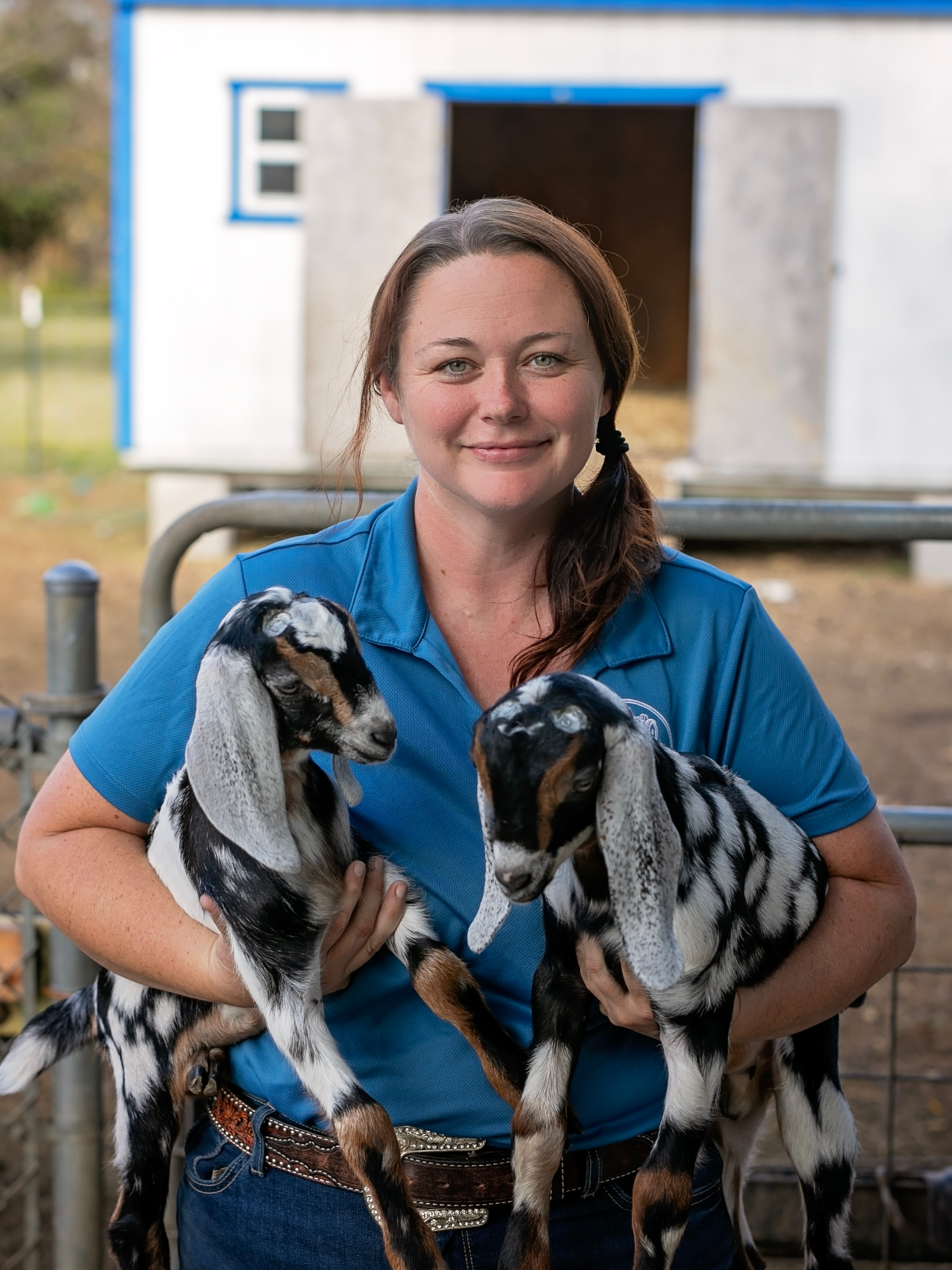
Some lessons stick better when a child can touch them, smell them, measure them, and see them change over time. That is the heart of farm-based learning. Instead of keeping education only at the kitchen table or on a screen, Alvin Farm School gives homeschool families a setting where academics, nature, responsibility, and curiosity can work together.
For many families, homeschooling offers freedom. The challenge is finding meaningful experiences that bring that freedom to life. A farm school can fill that gap in a way that feels both practical and memorable.

Learning feels real when children can see it at Alvin Farm School
One of the strongest reasons Alvin Farm School works well for homeschool families is the way it connects ideas to real life. A farm naturally blends science, math, reading, writing, art, and problem-solving.
A child learning about plant life cycles can do more than label a worksheet. They can plant seeds, watch sprouts appear, compare growth, and notice what happens when sunlight, water, or soil conditions change. A lesson about measurement can become a garden task. A lesson about weather can happen under the sky.
This kind of learning helps children understand that school is not separate from life. It also gives parents a rich source of follow-up lessons at home. A single farm visit can inspire:
A nature journal entry
A chart tracking plant growth
A short research project about pollinators
A math lesson using garden rows or feed measurements
A read-aloud connected to animals, seasons, or food
The farm becomes a living classroom. That matters because children often remember what they experience more clearly than what they only hear.
It adds structure without taking away homeschool freedom
Homeschooling can be flexible, but too much flexibility can feel hard to manage. Families may want outside classes or group learning without giving up the personal rhythm that makes homeschooling work for them.
Alvin Farm School can fit that need well. It offers a shared learning environment while still allowing families to keep their own home routines, curriculum choices, and pace. That balance is valuable.
For a child, a regular farm school day may bring a healthy sense of expectation. There is a place to go, work to do, people to learn with, and natural routines to follow. For a parent, that outside structure can support the week without taking it over.
The best homeschool resources do not replace the parent’s role. They strengthen it. A farm school setting can give families fresh material, new experiences, and a steady point of connection.
Children practice responsibility in a natural way
Responsibility can be hard to teach through lectures. On a farm, it becomes clear.
Plants need care. Tools need to be handled safely. Animals, if part of the program, need calm attention and respect. Seasons bring different kinds of work. Children see that their choices matter because the results are right in front of them.
That does not mean every task has to be heavy or serious. Simple jobs can build confidence:
Carrying water
Sorting seeds
Observing insects
Gathering leaves for a project
Cleaning up supplies
Following safety directions
Working gently around living things
These tasks teach patience. They also help children learn that work can be satisfying. A child who struggles to sit still for a long lesson may shine when asked to observe, move, build, tend, or explore.
Farm-based learning also supports a slower pace. Children get to notice details. They may see that a sprout does not appear on command, that weather changes plans, and that growth takes time. Those are lessons with value far beyond academics.

It supports social learning without a crowded classroom feel
Many homeschool families look for social opportunities that feel purposeful. They want children to build friendships, practice teamwork, and learn from other adults, but they may not want a full traditional classroom setting.
A farm school can offer a more natural social environment. Children work side by side. They ask questions together. They compare discoveries. They learn to wait, take turns, listen, and help.
The setting itself often lowers pressure. Instead of focusing only on desks and direct instruction, children can connect while doing shared tasks. That can be especially helpful for kids who need movement, sensory input, or time outdoors to feel at ease.
Group learning on a farm may also include mixed ages, depending on how the program is organized. Mixed-age learning can be a good fit for homeschool families because it reflects real life. Younger children learn by watching older ones. Older children grow by explaining, modeling, and helping.
The result is social time with purpose. It is not just play, and it is not just class. It sits in a helpful middle space.
Farm learning can enrich core academics
A common concern about outside enrichment programs is whether they support serious learning. Farm-based education can do that when families use it with intention.
Science is the most obvious connection, but it is not the only one. A farm setting can support many core skills:
Reading
Children can read books about farming, animals, weather, soil, food systems, or nature. Even reluctant readers may become more interested when the topic connects to something they have seen.
Writing
Nature journals, observation notes, poems, field reports, and simple essays can all grow out of farm experiences.
Math
Counting, measuring, estimating, graphing, sorting, and comparing all show up naturally in garden and farm tasks.
History and culture
Food, land use, tools, family farms, and seasonal traditions can lead to thoughtful history lessons.
Art
Leaves, flowers, textures, colors, and animals offer strong material for drawing, painting, and hands-on projects.
This is why Alvin Farm School is more than a fun add-on. Used well, it can become a meaningful part of a homeschool plan.
A strong fit for curious, active learners
Every child learns differently. Some children thrive with books and quiet study. Others need to move, build, touch, and explore before ideas fully click. Many need both.
Alvin Farm School is especially helpful for children who learn best through experience. It gives active learners a place where movement has purpose. It gives curious learners real things to investigate. It gives cautious learners a calm setting where they can build confidence over time.
It can also help families avoid homeschool burnout. A change of setting can refresh the week. Parents do not have to create every hands-on lesson alone. Children get new questions to bring home. The whole rhythm of learning can feel more alive.
The value is simple: children get to connect knowledge with the world around them.
The takeaway for homeschool families
Alvin Farm School is a great choice for homeschool families because it supports what many families want most from education: meaningful learning, flexibility, responsibility, community, and wonder.
A farm school does not need to be the whole homeschool plan. It can be one strong piece of it. Paired with home lessons, reading, family routines, and personal interests, it can help children see learning as something bigger than assignments.
When children plant, observe, measure, care, ask, and reflect, they are not just completing schoolwork. They are building habits of attention. They are learning how the world works. And for many homeschool families, that is exactly the kind of education worth choosing.


Comments