

How Local Homeschool Kids Can Learn Farming at Our Farm Without Owning One
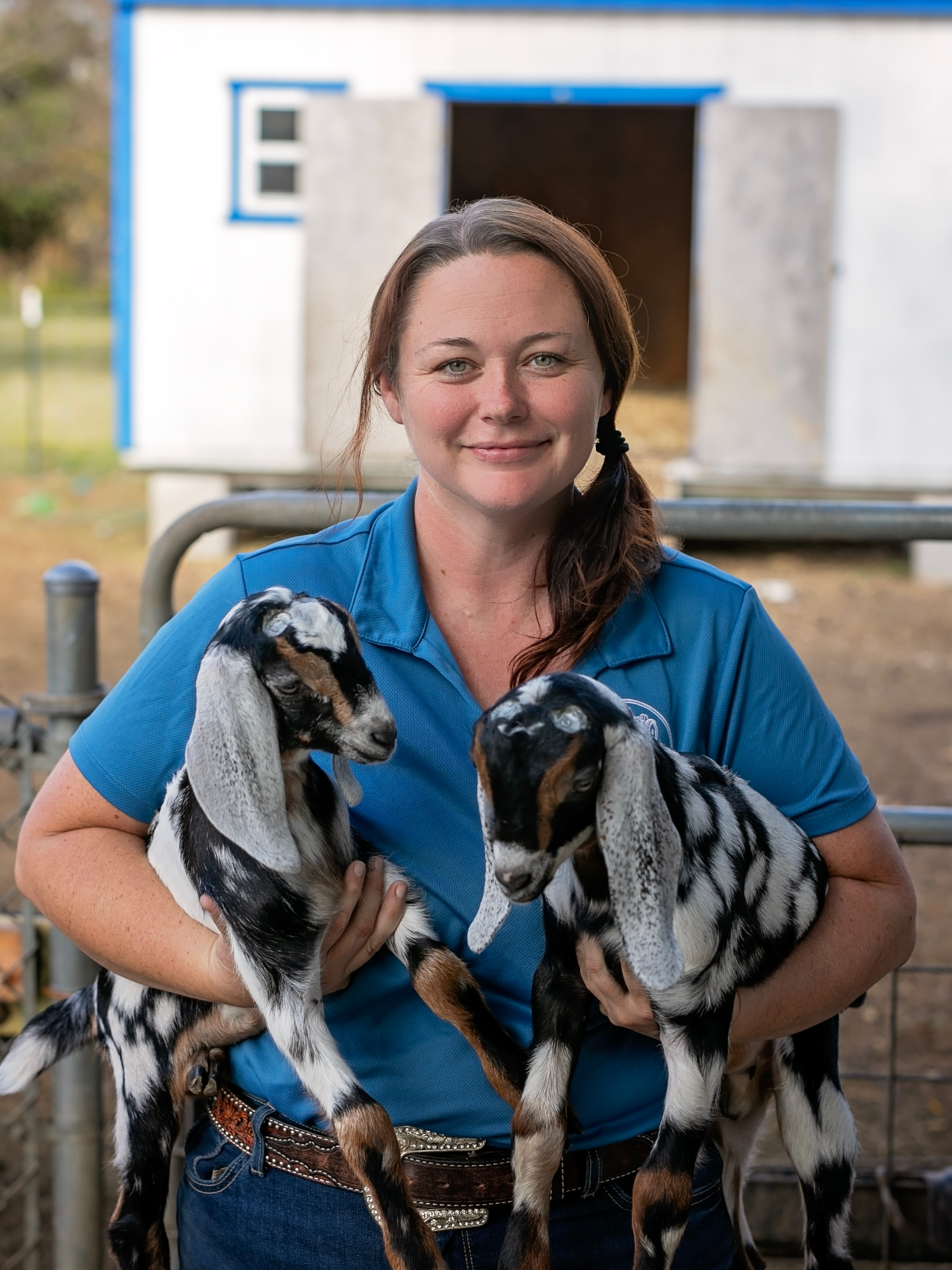
Children can read about soil, seeds, pollinators, weather, and animal care all year. But one morning on a real farm can make those lessons click in a way a worksheet never will.
For many homeschool families, farming sounds like a perfect hands-on subject, until the practical questions show up. Where do you go? What can kids safely do? How do you teach agriculture if you do not own land, animals, or equipment?
That is where our farm can help. We welcome local homeschool kids who want to learn farming in a real setting, with real plants, real chores, and real questions. It is a useful option for families looking for Alvin homeschool activities that feel active, educational, and grounded in everyday life.

Farming teaches more than where food comes from
A farm is one of the best classrooms because it connects many subjects at once. A child pulling a carrot from the ground is not only learning about vegetables. They are seeing biology, weather, patience, measurement, responsibility, and cause and effect.
On a farm, lessons become easier to understand because they have a place and a purpose.
A seed lesson becomes more interesting when kids can compare dry seeds to sprouted plants. A science lesson about insects makes more sense when they watch bees visit flowers. A math lesson feels useful when they count eggs, measure planting space, or compare the growth of seedlings.
Farming also teaches life skills that do not always fit neatly into a textbook:
Observation
Kids learn to notice small changes in leaves, soil, tracks, and animal behavior.
Patience
Plants do not grow faster because someone is in a hurry.
Responsibility
Animals, gardens, and tools all need steady care.
Problem-solving
Weather changes, pests appear, and plans often need adjusting.
These are lessons children remember because they can connect them to something they did with their own hands.
You do not need your own farm to teach farm skills
Many families assume farming education requires acreage, livestock, a barn, and years of experience. It does not.
A child can learn the basics of agriculture through short, focused visits to a working farm. They can still understand how soil supports plant life, why farmers plan around seasons, and how food moves from seed to table.
At our farm, homeschool kids can experience farming in a way that feels approachable. They do not need to arrive with prior knowledge. A curious attitude and clothes that can get a little dirty are enough.
Depending on the season and what is happening on the farm, kids may learn about:
Planting seeds or starts
Watering and garden care
Compost and soil health
Pollinators and beneficial insects
Harvesting produce
Feeding or observing farm animals
Safe handling of simple farm tools
How weather affects daily farm work
The best part is that the learning is not abstract. Kids can ask questions while standing in the middle of the lesson.
Why are these leaves yellow? Why do chickens scratch the ground? Why does one bed grow faster than another? Why do farmers care so much about rain?
Those questions can lead to some of the strongest learning moments.
A farm visit fits naturally into homeschool learning
Homeschool families often have the freedom to learn outside a traditional classroom. Farm visits work well with that flexibility because they can support many different learning styles.
Some children learn best by moving. Some need to touch and test. Some ask a stream of questions. Others watch quietly and process later. A farm has room for all of that.
A visit can stand alone as a special activity, or it can become part of a larger unit study. For example, a family studying plants at home might read about roots, stems, leaves, flowers, and seeds. Then they can visit the farm and find each part in real life.
A simple farm-based unit might look like this:
Home lesson | Farm connection |
Read about soil layers | Touch and compare different soil textures |
Study the life cycle of plants | Look for seedlings, flowers, fruit, and mature plants |
Learn about insects | Spot pollinators and discuss helpful garden bugs |
Practice measurement | Measure rows, spacing, plant height, or garden beds |
Write a journal entry | Describe what changed, smelled, sounded, and felt different |
This kind of learning helps kids see that school is not limited to a desk. It can happen beside a garden bed, near a chicken coop, or under the shade of a tree after a morning of chores.

What kids can learn during a real farm experience
A good farm visit gives children a balance of structure and discovery. They need enough guidance to stay safe and understand what they are seeing, but they also need space to explore with their senses.
On our farm, homeschool kids can learn through age-appropriate activities and observation. Younger children may focus on simple tasks, such as watering plants, collecting leaves, or noticing animal sounds. Older kids can look more closely at systems, such as compost, crop planning, food chains, or the work behind a harvest.
Here are a few lessons that often stand out.
Food takes time
Children are used to seeing food ready to buy, wash, cook, and eat. A farm slows that process down. They see that food begins long before it reaches a plate.
They learn that farmers plan, plant, water, weed, wait, protect, harvest, and start again.
Nature works as a system
A farm shows how living things connect. Soil feeds plants. Flowers attract pollinators. Chickens scratch, peck, and fertilize. Rain helps growth, but too much rain can create problems.
Kids begin to see the farm as a whole system, not just a collection of separate parts.
Work can be satisfying
Farm work is physical. It can be muddy, sunny, tiring, and fun. That is part of the lesson.
Children often take pride in simple jobs when they can see the result. A watered bed, a full basket, or a freshly planted row gives them a clear sense of contribution.
How to prepare for a homeschool farm visit
A little preparation helps children enjoy the day and get more from it.
Before visiting, it helps to talk about what a farm is and how it works. Kids do not need a long lecture. A short conversation is enough.
Ask questions like:
What foods do you think grow on a farm?
What animals might live there?
What do plants need to grow?
What questions do you want to ask the farmer?
For the visit, dress for real farm conditions. Closed-toe shoes are best. Clothes should be comfortable and allowed to get dirty. Hats, water bottles, and sunscreen are helpful on warm days.
After the visit, keep the learning going. Invite kids to draw what they saw, write a few sentences in a nature journal, cook with a farm ingredient, or start a small container garden at home.
Even a pot of herbs on a windowsill can remind them of what they learned at the farm.
Our farm is here for local homeschool families
Owning a farm is not the only way to teach children about farming. A real farm visit can give kids the sights, sounds, smells, and hands-on practice that bring agriculture to life.
Our farm is available for local homeschool kids who want to learn where food comes from, how plants grow, what animals need, and why farm work matters. It is a simple way to add outdoor learning, science, responsibility, and fresh curiosity to a homeschool routine.
The lesson children take home is bigger than farming. They learn that food has a story, work has value, and the natural world is worth paying attention to.


Comments